

Ask Ozzie Albies about his home run last night against the Philadelphia Phillies and you’ll get a genuine answer.
Ask him about his fish, and he’ll pull out his phone.
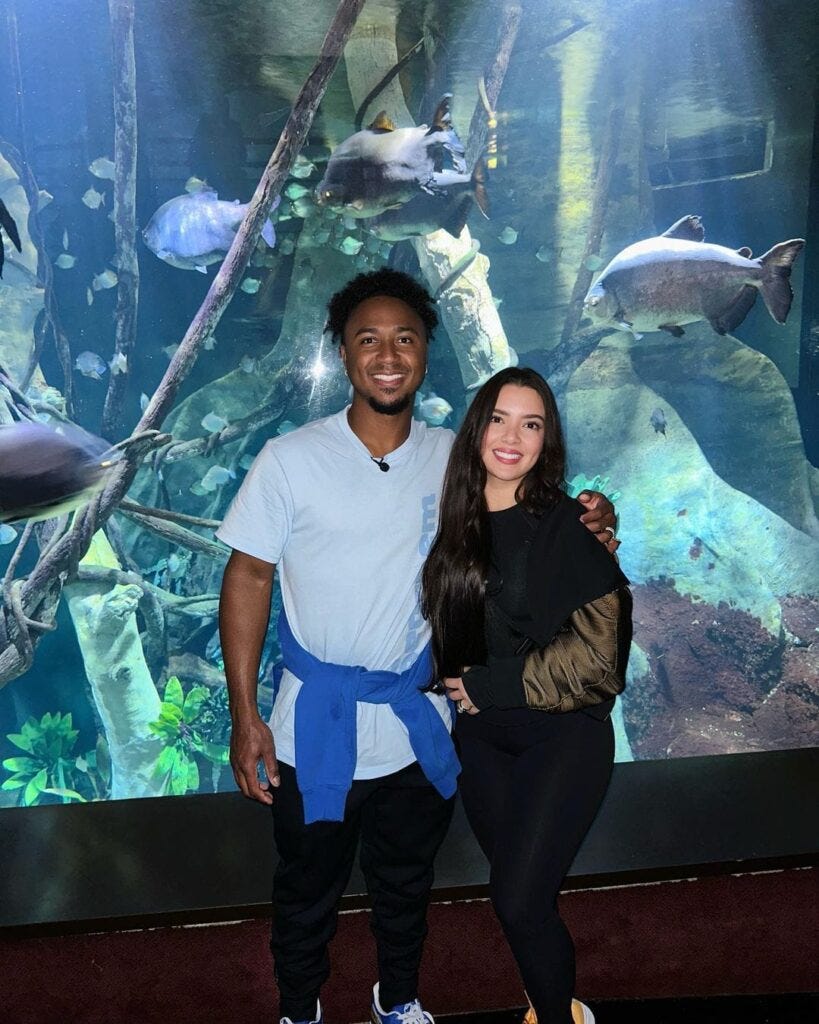
That’s what happened when MLB.com’s Matt Monagan sat down with him in 2023. Albies skipped the highlights and went straight to a video of a gray koi swimming up to kiss his finger. “He acts like a puppy,” Albies said. “I pet him and everything.”
This is not a guy with a goldfish bowl on the kitchen counter. Albies keeps more than 500 freshwater fish at his home outside Atlanta. Indoor tanks of 550, 450 and 300 gallons. A 6,000-gallon monster setup. A backyard pond with roughly 100 koi. Arowanas, pacu, cichlids, freshwater sharks, a three-foot redtail catfish and a few rescue turtles. He does the water changes himself. He feeds pellets and tilapia. Sometimes he climbs into the tank.
And as far as I can tell, nobody in the aquarium business is paying him a dime for any of it.
That’s the story. Let’s talk about why it’s a miss, and who should fix it.
The hobby is the brand
Most athlete endorsements start with a brand looking for a famous face. The best ones start the other way around, with an athlete who already loves the thing.
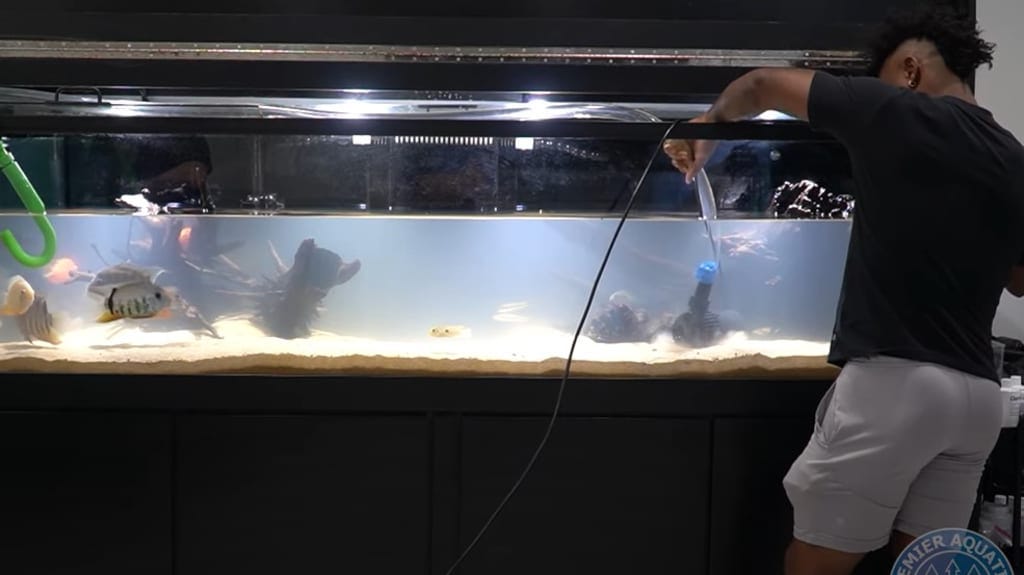
Sport marketers call this the match-up hypothesis: an endorsement works when the endorser and the product actually fit. The fit here is not manufactured. It goes back to Curaçao, where Albies’ grandfather kept koi in the early 2000s. When Albies signed his long-term deal with the Braves and bought a home in Marietta, the tanks went in. They were a piece of home, 1,178 miles away.
You can’t write that backstory in a creative brief. He has heritage, expertise and daily hands-on use. That’s source credibility, and it’s the whole reason endorsements work.
He already built the channel
Albies runs a dedicated Instagram account, @ozziesfishes, separate from his main page. No bat flips—just fish.
From a business standpoint, that’s a pre-built owned media channel with a self-selected audience. Everyone following that account has raised a hand and said, “I care about this.” A fish food brand buying a spot there isn’t interrupting anyone. It’s showing up exactly where the audience wants it.
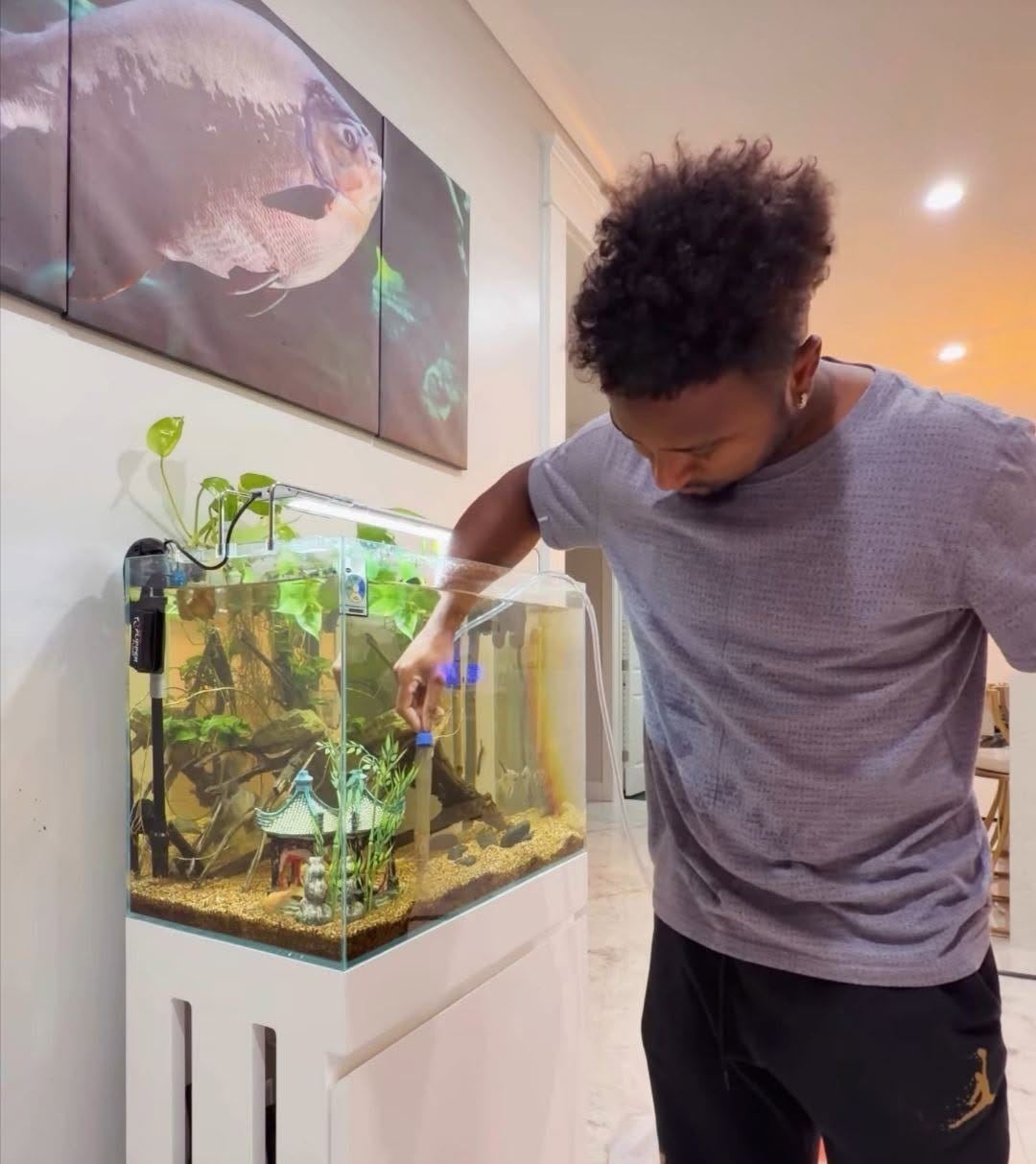
He’s also proven he can carry the content. He went on The Rich Eisen Show and played “Name That Fish.” MLB has produced multiple features on his collection. That’s earned media a brand would get for free on day one.
The classroom tank is a blueprint
In February, students at Lockheed Elementary in suburban Atlanta wrote to Albies asking which fish they should get for their classroom. He didn’t write back with a recommendation. He showed up with a full tank, a goldfish born in his own house and SpongeBob decorations. The kids named the fish Sandy.
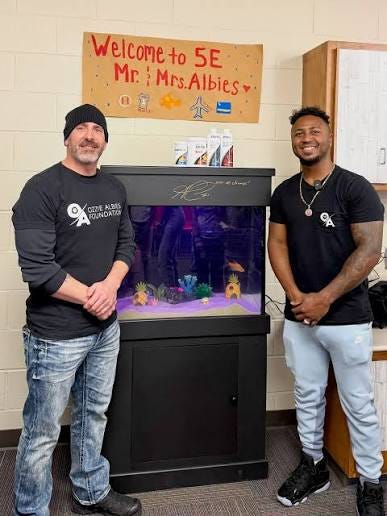
Here’s the part marketers should circle. Explaining how he pulled it off, Albies told MLB.com’s Mark Bowman he went through Seachem for the filter, the buffer and the startup supplies.
That’s an unprompted brand mention, in a feel-good story, from a three-time All-Star. Seachem is a Georgia company. If there’s no formal deal in place, that’s the easiest phone call in sports marketing.
It’s also a ready-made cause marketing program. “Ozzie’s Classroom Tanks”: one tank per Braves home series, donated to a metro Atlanta school, stocked and set up by the brand. Community relations for the team, product trial for the sponsor, content for everybody.
Who should make the call?
Now, if I were his agent or marketing team, these would be the heavy hitters I’d approach and align with to turn a hobby into brand monetization.
Georgia Aquarium. The most obvious fit on the board. Albies told MLB.com he’s visited three times and wants a behind-the-scenes tour to learn filtration. Give him the tour, film it and make him an ambassador. Then build an “Ozzie’s Aquarium Night” at Truist Park with a ticket package and a bobblehead of Albies holding a koi. Two Atlanta institutions, one easy co-promotion.
Seachem. Already in his tanks, already in his quotes. Formalize it. A water-care brand rarely gets a chance at a mainstream sports audience.
Hikari, Tetra or Fluval. This is non-endemic sponsorship in reverse. These brands are endemic to the hobby but invisible in sports. A guy feeding monster fish and 100 koi is a daily product demo. A signature “Ozzie’s Monster Blend” pellet or a co-branded starter tank is a licensing play that writes itself.
Petco or PetSmart. Albies said he could have picked up a goldfish at Petco and chose to donate his own instead. A national retailer could put him at the center of a first-tank campaign aimed at families. The kid who wants a fish because Ozzie has fish is a real customer.
Ring. My favorite sleeper. How does Albies check on his fish during a road trip? “I have a Ring camera,” he said, laughing. That’s a product use case no agency would have pitched, and it’s better than anything they would have.
Curaçao tourism. The whole story starts on an island with some of the clearest water in the world. Albies is one of its most famous exports.
Why this matters beyond one player
Baseball has a marketing problem it talks about constantly: its stars aren’t famous enough outside the lines. The usual answer is more national ad campaigns for the same five guys.
The better answer is passion-point marketing. Find what a player genuinely loves and build around it. A fan who never watches the Braves might follow a guy with a 6,000-gallon tank and a catfish the size of a second grader. That’s a new door into the sport.
The aquarium hobby is a multibillion-dollar category with almost no presence in pro sports. That’s whitespace. The first brand in gets the category to itself, and the athlete it needs has already done the hard part.
Albies said he’s not adding more tanks right now. “But maybe when I’m finished with baseball completely, I’ll build something bigger.”
Some brand should make sure its name is on it.
Lovvve this: “He showed up with a full tank, a goldfish born in his own house and SpongeBob decorations. The kids named the fish Sandy.”